Physical Address
304 North Cardinal St.
Dorchester Center, MA 02124
Physical Address
304 North Cardinal St.
Dorchester Center, MA 02124

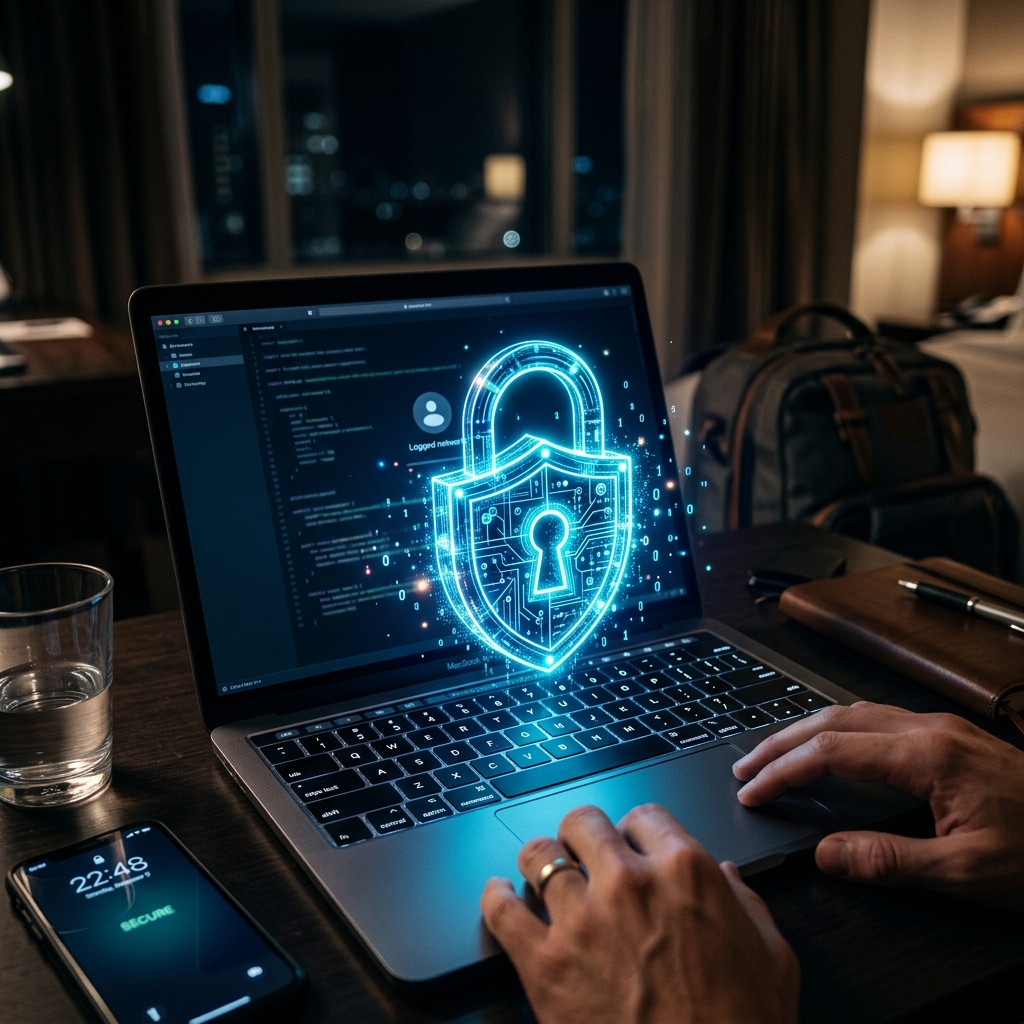
What is a VPN, and do you need a vpn in 2026? Learn how VPNs protect your privacy, encrypt your data, and secure you on public Wi-Fi networks.
Are you wondering what is a vpn and do you need a vpn to protect your personal data online? In today’s hyper-connected world, privacy has become a rare commodity. Every time you log onto the internet, you leave a trail of digital breadcrumbs. Advertisers, internet service providers (ISPs), and even malicious hackers can track your virtual footprints. This is why virtual private networks (VPNs) have exploded in popularity.
But amidst the heavy marketing and fear-mongering from cybersecurity brands, it is hard to separate fact from fiction. Is a VPN a magic shield that makes you completely invisible online? Or is it an unnecessary expense for the average user? In this guide, we will break down exactly how a VPN works and help you decide if you actually need one for your daily browsing habits.
A VPN, or Virtual Private Network, is a software service that creates a secure, encrypted connection between your device (computer, smartphone, or tablet) and the internet. Think of it as a private, secure tunnel running directly through the public highway of the web.
Normally, when you visit a website, your device sends a request through your Internet Service Provider (ISP) directly to the website’s server. Your ISP can see exactly where you are going, and the destination website can see your unique IP address (which reveals your approximate physical location).
When you use a VPN, the process changes:
To the outside world, your internet traffic appears to originate from the VPN server’s location and IP address, rather than your actual home or office. Furthermore, because your data is encrypted, anyone trying to intercept it will only see a jumble of unreadable characters.
The short answer is: it depends on what you do online. A VPN is not a universal necessity for every internet user, but there are several critical scenarios where having one is essential for your digital safety.
Whether you are working from a local coffee shop or checking your flight details from our backpacking packing list at a busy airport, public Wi-Fi networks are notoriously insecure. Hackers can easily set up fake hotspot networks or intercept data traveling over unencrypted public Wi-Fi. If you log into your bank account or input password credentials on an open network, a hacker on the same network could steal them. Using a VPN on public Wi-Fi is highly recommended because it encrypts your connection, keeping your sensitive data safe from prying eyes.

Did you know that in many countries, Internet Service Providers are legally allowed to track your browsing history and sell that anonymous data to advertising companies? If you value your privacy, a VPN is the best way to stop this. When your VPN is turned on, your ISP can only see that you are connected to a VPN server; they have no way of knowing which websites you visit or what files you download.
Many streaming platforms (like Netflix, Hulu, and BBC iPlayer) restrict certain movies and TV shows based on your country. By connecting to a VPN server in a different country, you can bypass these geo-blocks and access your favorite content from anywhere in the world. Additionally, if you travel to countries that restrict access to search engines and social media networks, a VPN allows you to access the open web freely.
Some ISPs intentionally slow down (throttle) your internet speed when they detect that you are performing data-heavy tasks like streaming video, gaming, or downloading large files. Because a VPN hides your online activities from your ISP, they cannot see what you are doing, which prevents them from targeting your connection for throttling.
While a VPN is a fantastic tool, it is important to understand its limitations. You do not need a VPN active 100% of the time if:
For more detailed insights on digital privacy laws, you can read the latest research from the Electronic Frontier Foundation (EFF).
Ultimately, to answer the question, do you need a vpn, you must evaluate your lifestyle. If you travel frequently, work from cafes, bypass geo-restrictions, or simply want to keep your ISP’s nose out of your daily browsing history, a VPN is a highly valuable, low-cost investment in your digital security. It is a simple tool that offers peace of mind in an increasingly complex digital landscape.