Planning a trip and need a complete backpacking packing list to help you travel light and go further? When preparing for a backpacking adventure, whether it is a weekend trek through the Appalachian trail or a month-long journey across the summits of Southeast Asia, the urge to pack for every conceivable scenario is overwhelming. But the reality is that every extra ounce on your back translates directly to sore shoulders, fatigued knees, and a distracted mind.
Backpacking is not about having everything you could possibly need; it is about discovering how little you actually need to thrive. In this comprehensive, field-tested guide, we break down the ultimate backpacking packing list. We will help you find that perfect sweet spot between weight efficiency, safety, and comfort, ensuring you can travel light and go further.
Essential Gear for your Backpacking Packing List
To keep your pack weight down, it is vital to compile a smart, lightweight backpacking packing list. Let’s look at the essential gear category by category.
1. The Big Three: Your Shelter and Sleeping System
In backpacking lingo, the “Big Three” refers to your backpack, your shelter, and your sleeping system. These are typically the heaviest and most expensive items on any backpacking packing list, making them the most important areas to focus on when trying to save weight.
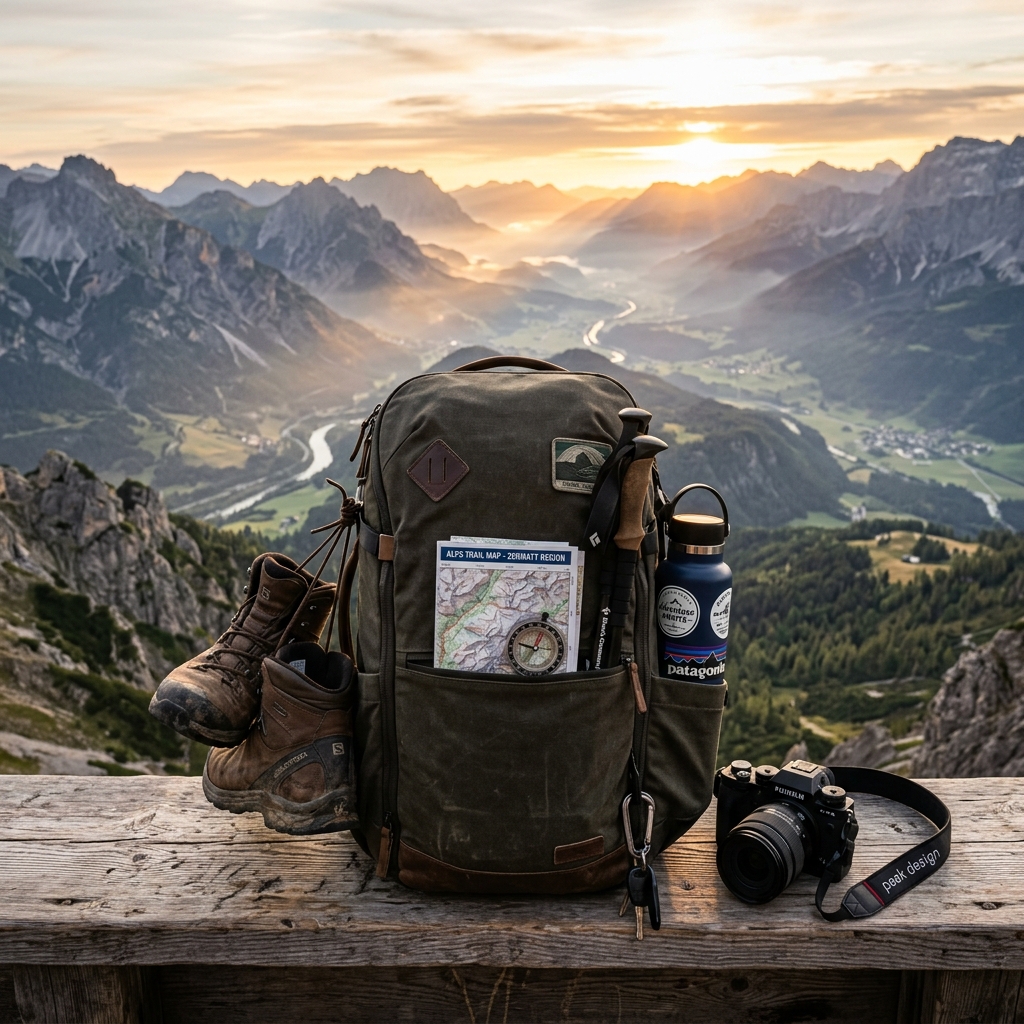
The Backpack (50L to 65L): For most trips lasting between 3 to 7 days, a 55-liter to 65-liter backpack is the sweet spot. Look for a pack with a robust, supportive hip belt—this is crucial because 80% of the pack’s weight should rest on your hips, not your shoulders. Brands like Osprey or Gregory offer fantastic, ergonomic support.
The Shelter (Double-Wall Tent): A lightweight 2-person tent weighing under 4 pounds (1.8 kg) is ideal. Double-wall tents are highly recommended for beginners as they handle condensation much better than single-wall alternatives. Always ensure you carry lightweight aluminum stakes and a footprint to protect the tent floor from sharp rocks and pine needles.
The Sleeping System: This consists of two parts:
Sleeping Bag/Quilt: Down insulation offers the best warmth-to-weight ratio and compresses beautifully, while synthetic insulation performs better in wet environments. Choose a bag rated to at least 10°F (-12°C) colder than the lowest temperature you expect to encounter.
Sleeping Pad: Do not overlook the pad! It doesn’t just cushion your back; it insulates you from the cold ground. Check the “R-value” of the pad—a rating of 3 or higher is essential for three-season comfort.
2. The Clothing System: Layering is King
The golden rule of backpacking apparel is simple: No Cotton. Cotton absorbs sweat, stays wet, and drains your body heat, which can lead to hypothermia even in mild weather. Instead, opt for moisture-wicking synthetics (like polyester or nylon) or natural merino wool in your backpacking packing list.
Think of your clothing as a dynamic system of layers that you can add or remove as your activity level and weather conditions change:
Base Layer (Moisture Management): A snug-fitting merino wool or synthetic t-shirt and underwear. Merino wool is naturally odor-resistant, allowing you to wear it for days without smelling.
Mid Layer (Insulation): A lightweight fleece jacket or a packable down jacket (often called a “puffy”). The puffy is your best friend when you stop hiking and sit around the campfire as the evening temperature drops.
Outer Layer (Weather Protection): A breathable, waterproof rain jacket and wind-resistant pants. This layer protects you from wind, rain, and snow.
Hiking Socks: Invest in high-quality wool socks (such as Darn Tough or Smartwool). Bring two pairs—one to wear, and one dry pair kept inside your pack specifically for sleeping.
3. Kitchen and Hydration: Staying Fueled and Watered
Hiking burns thousands of calories a day. Keeping your body fueled and hydrated is essential to maintaining your energy levels and preventing altitude sickness or heat exhaustion. Make sure these are high on your backpacking packing list:
Stove and Cookset: A canister stove (like the MSR PocketRocket) is ultra-light, reliable, and boils water in under three minutes. Pair it with a small anodized aluminum or titanium pot, a long-handled spoon, and a reusable cup.
Water Filtration: Never drink raw wilderness water, no matter how clean it looks. A hollow-fiber membrane filter (like the Sawyer Squeeze or Katadyn BeFree) is light, cheap, and filters out 99.999% of bacteria and protozoa. Always carry a backup method, such as chlorine dioxide purification tablets.
Water Storage: Bring at least two 1-liter bottles (Smartwater bottles are popular because they are lightweight and fit perfectly on the Sawyer filter thread) or a 2-to-3-liter hydration bladder.
Trail Food: Pack lightweight, calorie-dense foods (dehydrated meals, nuts, peanut butter packets, energy bars, and tuna pouches). Aim for about 1.5 to 2 pounds of food per day. If you want to save money on food and travel expenses, check out our guide on how to travel on a budget.
4. Navigation, Safety, and First Aid
Even on well-marked trails, the wilderness can be unpredictable. You should always carry the “Ten Essentials” as part of your backpacking packing list to handle emergencies.
Navigation: A physical topographic map and compass (and the knowledge of how to use them). As a backup, use a GPS app (like Gaia GPS or AllTrails) with maps downloaded offline, and carry a satellite communicator (like a Garmin inReach Mini) for areas without cell service.
Illumination: A reliable headlamp (rechargeable or with extra batteries). Keep this accessible in case you end up hiking after dark.
First Aid Kit: A compact kit containing bandages, antiseptic wipes, blister treatments (like Moleskin), pain relievers, antihistamines, and any personal medications.
Repair Tool: A small multi-tool or pocket knife, plus a small roll of duct tape or tenacious tape for quick gear repairs.
5. Expert Packing Tips: How to Balance Your Load
How you arrange your gear from your backpacking packing list inside your pack determines how heavy it feels. A poorly packed bag pulls you backward, whereas a correctly packed bag feels like a natural extension of your body.
Follow the “three-tier” packing method:
Zone
What Goes Here
Why
Bottom Zone
Sleeping bag, sleeping pad, camp clothing
Creates a soft base; these items are only needed at camp.
Middle Zone (Close to Spine)
Heavy items: stove, fuel, food bag, water bladder
Keeps the center of gravity tight to your back so you don’t lose balance.
Top & Outer Pockets
Rain jacket, headlamp, first aid, water filter, snacks
Quick, easy access without unpacking your entire bag.
Conclusion: The Trail Awaits
As you gather your gear, remember that the best backpacking packing list is the one that allows you to focus on the trail rather than your aching back. Before you head out, do a test run: pack your bag fully, adjust the straps, and go for a walk around your neighborhood. If anything feels uncomfortable or unnecessary, take it out.
With a light pack, a clear mind, and the right gear, you are ready to tackle whatever the wilderness throws your way. Happy trails!