Physical Address
304 North Cardinal St.
Dorchester Center, MA 02124
Physical Address
304 North Cardinal St.
Dorchester Center, MA 02124

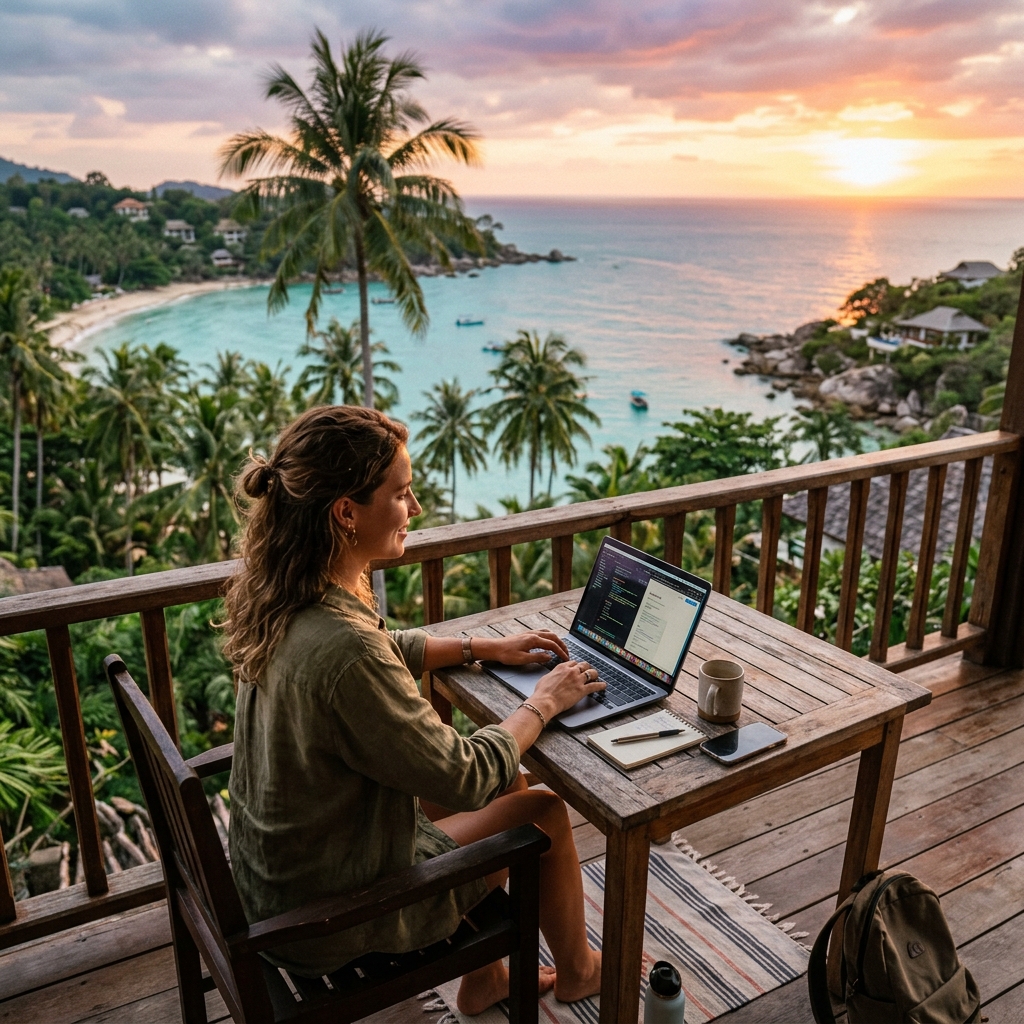
Learning how to become a digital nomad is the ultimate dream for millions of professionals seeking freedom from traditional office desk jobs. Imagine waking up to the sound of waves in Bali, spending your afternoons working from a cozy cafe in Lisbon, and spending your weekends exploring historic ruins in South America. In 2026, this lifestyle is no longer reserved for tech millionaires or travel influencers. Thanks to the global expansion of high-speed satellite internet, international digital nomad visas, and remote-first workplace policies, location independence is accessible to anyone willing to build the right skills and plan strategically.
However, transitioning to a location-independent lifestyle involves far more than simply packing a backpack and booking a flight. It requires establishing a reliable income stream, navigating international tax frameworks, managing health insurance across borders, and building a portable technology stack that keeps you productive anywhere on Earth. In this comprehensive, 2000-word masterclass, we will cover every aspect of how to transition into remote work, manage your finances, choose the best global destinations, and thrive while living on the move.
Breaking away from the 9-to-5 grind requires a methodical approach. Skipping crucial preparation steps can lead to financial burnout or logistical nightmare mid-trip. Here is the proven five-step blueprint for building a sustainable remote travel lifestyle:
You cannot travel indefinitely without a recurring, location-independent income. Broadly speaking, there are three paths to earning money as a digital nomad:
Before buying a one-way ticket, you must establish an emergency financial cushion. Living abroad introduces unpredictable expenses, such as last-minute flight changes, medical fees, or accommodation deposits. Aim to save at least **three to six months of living expenses** in a high-yield liquid savings account before departing.
The essence of digital nomadism is mobility. Heavy luggage creates unnecessary friction and increases airline baggage fees. Sell or donate unnecessary possessions, store personal sentimental items with family, and transition your life into a single carry-on bag and ergonomic tech backpack.
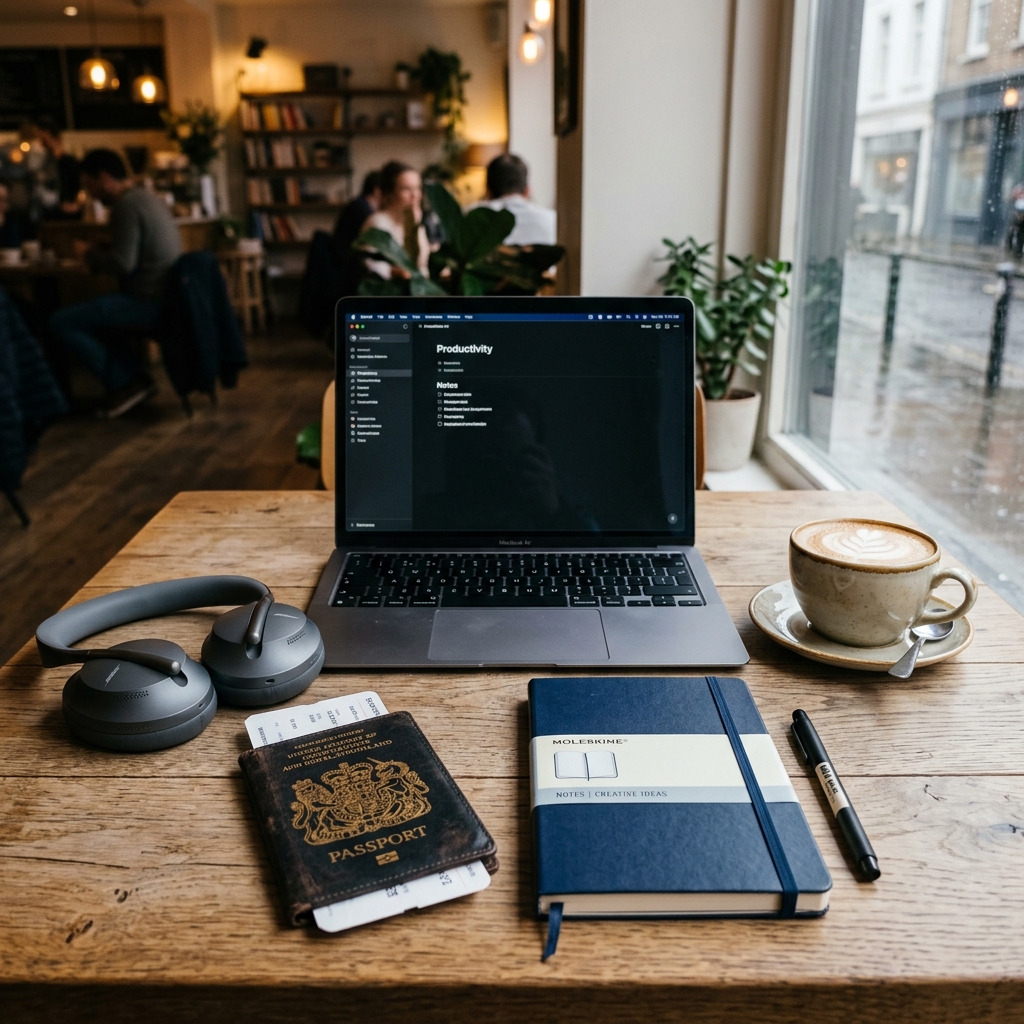
Your laptop is your livelihood. When researching how to become a digital nomad, investing in reliable, durable hardware is non-negotiable. One hardware failure in a remote location can stop your work and income stream entirely.
Battery life and port efficiency are critical factors when choosing a laptop for travel. Modern ARM-based processors offer extraordinary battery efficiency, allowing you to work for 18+ hours without needing a wall outlet. For a detailed performance analysis on selecting the best machine, read our guide on arm vs x86 laptops.
Connecting to unsecured public Wi-Fi networks in airports, cafes, and co-working spaces exposes your sensitive client data, passwords, and banking details to cyber threats. Using a reputable VPN service is mandatory for encrypting your internet connection and accessing location-restricted tools while traveling. For complete security setup tips, check our breakdown on do you need a vpn.
Navigating legal regulations and financial logistics across international borders is one of the most vital aspects of learning how to become a digital nomad sustainably.
Historically, remote workers operated in a legal gray area, working on standard tourist visas. Today, over 60 countries offer official **Digital Nomad Visas (DNVs)**. These visas grant you legal residency for 6 to 24 months, allowing you to work remotely for foreign clients without violating local labor laws. Popular countries offering streamlined digital nomad visas include Spain, Portugal, Costa Rica, Japan, and Thailand.
Managing money in multiple foreign currencies requires specialized borderless banking solutions:
| Banking Category | Recommended Tool / Solution | Key Advantage |
|---|---|---|
| Multi-Currency Account | Wise (formerly TransferWise) / Revolut | Hold and exchange 40+ currencies at real mid-market rates with zero hidden fees. |
| ATM Fee Reimbursement | Charles Schwab Debit Card (US) / Starling (UK) | Unlimited global ATM fee refunds and zero foreign transaction fees worldwide. |
| International Health Insurance | SafetyWing Nomad Insurance / Genki | Continuous monthly subscription coverage that protects you across multiple countries. |
To check cost-of-living metrics and community rankings for thousands of global cities, research tools on Nomad List are invaluable.
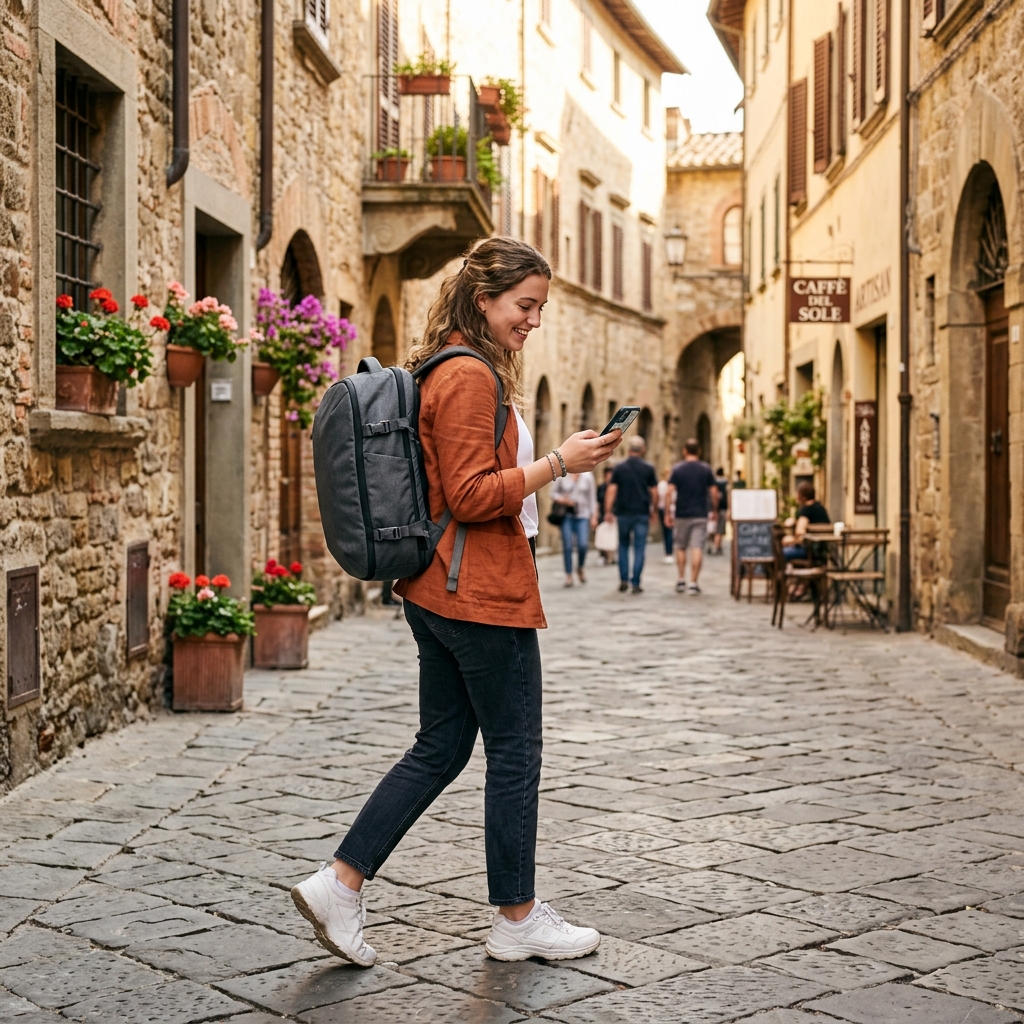
Selecting your first remote work destination can feel overwhelming. The ideal nomad city balances affordable living costs, fast internet, vibrant co-working communities, and high safety standards. Here are five of the world’s top nomad hubs:
Known as the original capital of digital nomadism, Chiang Mai offers absurdly low living costs ($800 – $1,200/month), incredible street food, ultra-fast fiber optic internet, and hundreds of co-working spaces. It is the perfect entry destination for first-time remote travelers.
Lisbon is Europe’s premier tech hub. Blessed with year-round sunshine, rich history, stunning beaches, and a vibrant community of remote entrepreneurs, Portugal offers a friendly digital nomad visa that provides legal access to the entire Schengen zone.
If you enjoy surfing, healthy cafes, tropical beach clubs, and networking with creative entrepreneurs, Bali is unmatched. While traffic can be dense, the co-working facilities and community events are world-class.
Nicknamed the “City of Eternal Spring” for its perfect year-round weather, Medellin offers affordable luxury accommodation, mountainous landscapes, and a thriving community in neighborhoods like El Poblado and Laureles.
For budget-conscious remote workers in Europe, Bansko is a hidden mountain gem. Known for low taxes, extremely cheap apartment rents, ski resorts in the winter, and annual digital nomad festivals, Bansko provides an unbeatable quality of life.
When booking long-haul flights to your chosen destination, make sure to read our step-by-step strategy on how to find cheap flights to save hundreds of dollars on airfare.
While social media highlights infinity pools and sunset laptop sessions, the reality of living abroad brings unique psychological challenges. Understanding how to handle these hurdles is vital when learning **how to become a digital nomad** for the long haul.
Moving to a new country every few months means constantly rebuilding your social circle. To stay connected:
Travel fatigue occurs when you move too quickly. Trying to explore tourist attractions every day while working 40 hours a week quickly leads to exhaustion. Adopt the **”Slow Travel”** philosophy: stay in each city for at least one to three months. This establishes a steady routine, reduces monthly accommodation costs, and allows you to build genuine connections with local communities.
Before launching your location-independent life, run through this final pre-departure checklist:
Mastering **how to become a digital nomad** is not about taking a perpetual vacation; it is about taking complete ownership of your time, work environment, and life experiences. By pairing a reliable remote income with modern technology tools, legal visa planning, and slow travel habits, you can build a career that enriches your life experience every single day. Pack your laptop, secure your network, and step out into the world!